
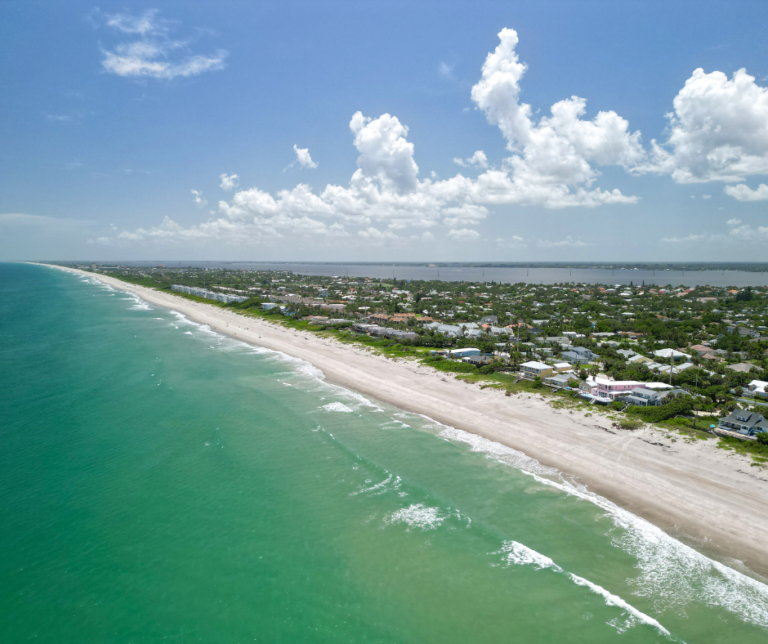
For businesses located in tourism-driven areas like Florida’s Space Coast, marketing isn’t just about reaching customers—it’s about reaching the right customers at the right time.
Tourism creates natural highs and lows throughout the year. From busy rocket launch weekends and spring break crowds to quieter off-season months, customer behavior constantly shifts. Businesses that understand these patterns—and adjust their marketing accordingly—are the ones that see consistent growth.
Understanding Seasonal Traffic Patterns
Seasonal tourism marketing starts with understanding how and when people visit your area.
On the Space Coast, traffic is influenced by:
- Rocket launches and major events
- School vacation periods and holidays
- Winter visitors and snowbirds
- Summer beach tourism
During peak times, visitors are often searching for places to eat, shop, and explore in real time. They rely heavily on Google, maps, and social media to make quick decisions.
If your business isn’t visible during those moments, you’re missing valuable opportunities.
Making the Most of Peak Season
When traffic is high, your marketing should focus on visibility and accessibility.
This includes:
- Keeping your website updated and mobile-friendly
- Maintaining an active and accurate Google Business profile
- Posting consistently on social media
- Highlighting current promotions, hours, and offerings
During peak tourism periods, customers are not spending a lot of time researching. They are choosing businesses that are easy to find, easy to understand, and easy to trust.
Clarity and consistency are key.

Staying Strong During Slower Months
While peak season brings quick wins, long-term success comes from how businesses perform during slower periods.
This is where many businesses fall off—but it’s also where the biggest opportunities exist.
Off-season marketing should focus on:
- Building relationships with local customers
- Growing your email list
- Creating content that improves SEO
- Promoting loyalty and repeat visits
Rather than going quiet, consistent marketing during slower months helps maintain momentum and sets your business up for the next busy season.
Why Timing Matters in Marketing
One of the most overlooked aspects of tourism marketing is timing.
Promotions, campaigns, and content should align with:
- Local events and travel trends
- Seasonal demand shifts
- Customer intent
For example, marketing a special or event during a high-traffic weekend can significantly increase visibility, while promoting local-focused offers during quieter periods can drive steady revenue.
The right message at the right time makes all the difference.
Building a Year-Round Strategy
Successful businesses don’t just react to seasonal changes—they plan for them.
A strong seasonal tourism marketing strategy includes:
- Planning content and campaigns in advance
- Adjusting messaging based on audience type (visitor vs local)
- Using SEO and blog content to capture search traffic
- Staying consistent across all marketing channels
When done correctly, this creates a balanced approach that supports both immediate sales and long-term growth.
Final Thoughts
Tourism will always create fluctuations in business—but it doesn’t have to create inconsistency.
Businesses that understand visitor behavior, stay visible during peak times, and continue marketing during slower periods are the ones that build sustainable success.
On the Space Coast and beyond, the goal isn’t just to keep up with the seasons—it’s to stay ahead of them.
📩 Contact us today to schedule a free consultation.